Your Smart Guide to the Real Mimosa Hostilis Root Bark Powder 1kg Price
With demand rising among natural dye studios, artisan leatherworkers, soap makers, and botanical researchers, understanding the true mimosa hostilis root bark powder market has never been more important. Shoppers quickly discover that the 1kg price can vary widely from vendor to vendor. Those differences are rarely random: they reflect sourcing ethics, harvest quality, processing precision, testing standards, packaging, and international logistics. Knowing what sits behind the number on a product page helps you secure excellent material at a fair rate, while avoiding pitfalls like adulteration, poor milling, or inconsistent batches that inflate your total cost of use.
Rather than chasing the lowest advertised deal, experienced buyers look at the complete value: purity, potency cues, batch consistency, and the vendor’s reputation for reliability. This is especially true when purchasing a full kilogram—an amount that magnifies both savings and risks. Below, you’ll find a practical breakdown of how pricing is formed, how to compare offers intelligently, and how to build a buying strategy that balances quality, ethics, and budget for your specific application.
What Really Determines the 1kg Price of Mimosa Hostilis Root Bark Powder
Several tangible factors shape the Mimosa hostilis root bark powder 1kg price. The first is sourcing. Ethical, sustainable harvesting of true root bark—rather than trunk bark or mixed material—requires experienced partners on the ground. Fair wages, responsible land stewardship, and careful selection all raise upstream costs, but they also protect long-term supply and help ensure a higher-grade botanical. Vendors who value traceability and transparent origin information usually price their products to reflect that stewardship.
Processing is another major driver. Genuine root bark must be cleaned, dried properly, and milled to an even consistency without scorching or contamination. A fine, uniform grind is more labor-intensive to achieve than a rough or mixed cut, yet it pays dividends in consistent performance for dye baths, craft infusions, and research applications. Subpar processing can result in clumping, uneven texture, or oxidized notes—issues that reduce reliability and, ultimately, increase your real cost per project.
Quality control has a direct impact on the 1kg price as well. Reputable suppliers implement multi-step evaluations that might include moisture checks, microbial screening, and careful visual/olfactory assessments for color and aromatic consistency. While not every lot can come with an exhaustive lab dossier, the presence of structured QA adds confidence—and cost. Professional packaging also matters: multi-layer barrier bags, desiccant inclusion, and air-tight seals help preserve color and aroma in transit, especially for international orders and humid climates.
Logistics round out the picture. International shipping rates, customs documentation, currency swings, and regional demand spikes all influence retail pricing month to month. In general, a realistic market snapshot for a responsibly sourced, finely milled Mimosa hostilis root bark powder in 1kg retail quantities tends to sit in a mid-range bracket rather than at rock-bottom prices. A quick way to check current market levels is to scan reputable suppliers; for example, you can compare the mimosa hostilis root bark powder 1kg price offered by specialist shops that prioritize sustainability and consistency. As a rule, unusually low offers may reflect mixed bark content, inconsistent milling, or weak after-sales support—each of which can cost more in waste and rework.
How to Compare Vendors and Avoid False Economies
Comparing vendors for a 1kg purchase involves more than adding items to the cart and sorting by total. Start with sourcing clarity: does the seller state whether the product is genuine root bark and how it is collected? Avoid vague claims and seek evidence of responsible harvest practices. Price transparency is another marker of reliability. Vendors who explain how grade, milling, and packaging affect their 1kg price are typically more consistent over time than those who rely on flash sales or unexplained deep discounts.
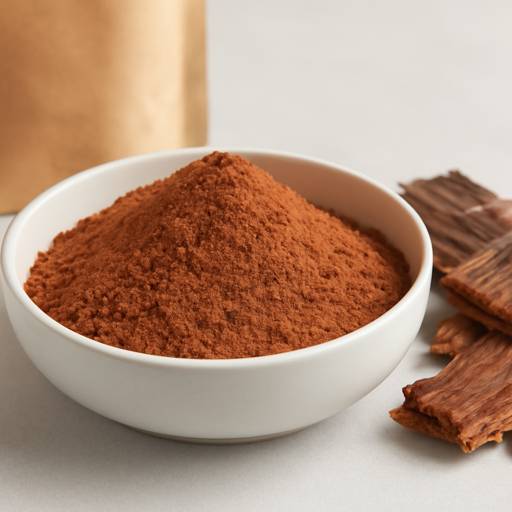
Next, evaluate processing and batch consistency. Well-prepared material shows a stable color range and a clean, aromatic profile without burnt or musty notes. Uniform grind size is a major advantage for repeatable outcomes in dye work and craft applications. Ask about quality controls—from moisture standards to microbial risk management—and look for product photos that match real deliveries. If you can, purchase a smaller quantity first to verify texture and performance before scaling up to a kilogram; reputable suppliers often support this step with sample-friendly options.
Packaging and shipping are frequently overlooked yet critical. A kilogram of botanicals needs robust, layered protection. High-barrier pouches with resealable closures and desiccants keep the powder stable during long-haul transit and seasonal humidity shifts. Check delivery windows, customs documentation practices, and the vendor’s history of successful shipments to your region. North American, UK, EU, and Australian customers, in particular, benefit from suppliers with proven international fulfillment and responsive support in case of delays or damage.
Finally, do a total landed cost analysis. Consider the sticker price, shipping, duties, and the realistic shelf life based on packaging and storage conditions. The least expensive bag can become the most expensive if you find yourself discarding material due to moisture intrusion, contamination, or inconsistent results. By balancing price against demonstrated quality, ethical sourcing, professional packaging, and dependable logistics, you can sidestep false economies and secure genuine value in your Mimosa hostilis root bark powder purchase.
Buying Strategies for Artisans, Researchers, and Small Businesses
Once you understand the drivers behind the 1kg price, you can build a buying plan that matches your workflow. For artisans and small brands, the first question is throughput: how quickly will you use 1kg? If your projects consume smaller amounts over many months, prioritize vendors offering premium, air-tight packaging and consider dividing the kilogram into multiple sealed pouches on arrival. This extends freshness while preserving the convenience and savings of a larger format. Store pouches in a cool, dry place away from sunlight; add labeled dates so you can rotate stock and maintain a reliable color profile for dyes or botanical preparations.
Another tactic is seasonal planning. Demand and logistics pressures can shift during holidays and peak shipping months. If your studio or lab has predictable cycles—say, pre-summer product launches or fall craft fairs—buying slightly ahead and securing stable batches helps avoid last-minute premiums. Small businesses that standardize recipes benefit from acquiring two adjacent batches when possible, then performing side-by-side small-scale tests to confirm equivalence before committing to larger production runs. This keeps output consistent and reduces the risk of rework.
Case studies from the field often show how smart procurement beats chasing the absolute lowest 1kg price. A natural dye workshop in a warm, humid climate switched to suppliers that shipped in moisture-resistant, multi-layer bags with desiccants; despite a modest increase in unit cost, the studio cut spoilage to near zero and improved color repeatability on cotton and leather. A European craft brand synchronized orders with favorable currency windows and consolidated shipments quarterly, lowering overall freight costs while maintaining high-grade material for soaps and incense.
Finally, match material format to your process. While shredded bark can suit certain traditional preparations, a consistently milled Mimosa hostilis root bark powder saves time and supports reproducible results in modern dye baths and lab workflows. If your method depends on a particular granulation, ask the vendor about milling standards and batch-to-batch variance. Pair this diligence with ethical sourcing criteria—supporting responsible growers and sustainable harvests—and you’ll find that the right supplier delivers both dependable quality and a fair, transparent 1kg price, helping your projects perform beautifully without compromising values or budget.

Ibadan folklore archivist now broadcasting from Edinburgh castle shadow. Jabari juxtaposes West African epic narratives with VR storytelling, whisky cask science, and productivity tips from ancient griots. He hosts open-mic nights where myths meet math.