TKTX Numbing Cream Uncovered: Your Essential Guide to a Virtually Pain-Free Tattoo Experience
Walking into a tattoo studio for the first time can be a cocktail of excitement and sheer anxiety, largely centred around one question: how much is this going to hurt? Over the past decade, the body art and cosmetic industries have witnessed a quiet revolution driven by topical anaesthetics. Among the most talked-about solutions, tktx numbing cream has carved out a formidable reputation. It is not simply another over-the-counter balm; it has become the starting point for countless individuals researching how to make long tattoo sessions, permanent makeup procedures and even laser treatments dramatically more comfortable. Understanding what sets it apart, how it works, and the right way to use it can mean the difference between a white-knuckle ordeal and a relaxed, transformative appointment.
What Exactly Is TKTX Numbing Cream and How Does It Deliver Rapid Numbness?
At its core, tktx numbing cream is a fast-acting topical anaesthetic formulation designed to temporarily block pain signals at the skin’s surface. While there are different variants in the TKTX family—such as the green and gold tubes—the foundational technology relies on a blend of active ingredients that work in synergy. The most prominent agents are lidocaine and prilocaine, two well-established local anaesthetics that interfere with the sodium channels in nerve endings. By preventing these nerves from firing electrical impulses, the cream effectively creates a numbed zone where sharp needle sensations are either completely masked or dulled to a light vibration. Many formulations also integrate a small amount of epinephrine (adrenaline), a vasoconstrictor that narrows superficial blood vessels, which helps reduce bleeding and keeps the anaesthetic concentrated in the targeted area for longer.
One of the reasons tktx numbing cream has become a search-engine heavyweight is its reputation for achieving noticeable numbness within 20 to 30 minutes under an occlusive wrap—a speed that outperforms many weaker, over-the-counter alternatives. Once active, the numbing effect can last anywhere from two to three hours, giving tattoo artists a generous window to work on outline, shading, and colour packing without constant breaks. The presence of epinephrine not only prolongs the effect but also keeps the skin less inflamed, providing a clearer canvas for the artist. This is particularly valuable during intricate procedures such as microblading, permanent eyeliner, and areola reconstruction, where precision is non-negotiable.
Safety and authenticity, however, must sit at the forefront of any conversation about this product. Because the demand for tktx numbing cream has soared, counterfeit versions with inconsistent ingredient profiles have flooded unverified marketplaces. Using a knock-off not only risks inadequate pain relief but can also expose the skin to contaminants or unlabelled allergens. The genuine formulation is manufactured under strict quality controls and is classified as a cosmetic numbing cream, meaning it is intended for external use on intact skin. Always perform a patch test at least 24 hours before your appointment by applying a small amount to the inner arm; this helps rule out rare but possible allergic reactions to lidocaine or prilocaine. Moreover, the cream should never be applied to broken, infected, or sunburned skin, and it is wise to consult with both your tattoo artist and a medical professional if you have a history of heart conditions, as systemic absorption of lidocaine—though minimal—can be a concern when very large areas are treated.
Step-by-Step: How to Use TKTX Numbing Cream for Tattoos and Cosmetic Treatments
Even the most potent numbing formulation can fall flat if it is not applied correctly. Getting the best results from tktx numbing cream is part science, part ritual, and the difference between a perfectly numb canvas and a patchy experience often lies in the preparation. The process should begin the day before your session with gentle exfoliation of the area you intend to have tattooed or treated. This removes layers of dead skin cells that can act as a barrier, allowing the active ingredients to penetrate more evenly. Avoid any exfoliation method that leaves the skin raw or irritated; a soft exfoliating mitt or a mild sugar scrub used without force is ideal.
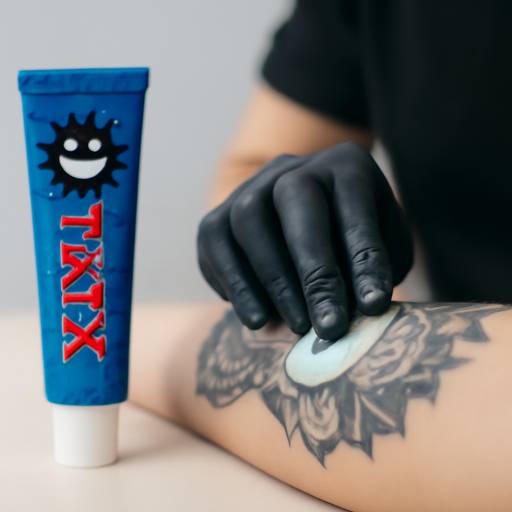
On the day of your appointment, start by washing the skin with a pH-neutral, fragrance-free cleanser and make sure it is completely dry. The most common application mistake is spreading the cream too thinly or rubbing it in like a moisturiser. Instead, imagine you are frosting a cake: apply a generous, opaque layer of tktx numbing cream—roughly 2 to 3 millimetres thick—across the entire treatment zone, extending slightly beyond the edges. Do not massage it in; the goal is to create a barrier that forces the anaesthetic downwards into the dermis. Immediately cover the cream with a piece of plastic cling film and secure the edges with medical tape. This occlusive wrap traps body heat, opens pores, and dramatically accelerates absorption. The standard waiting time is 20 to 40 minutes, with bony or highly sensitive areas such as ribs, sternum, or lips often requiring the longer end of that range.
Once the required time has passed, your artist or technician will typically remove the wrap, wipe away the residual cream with a clean, damp paper towel, and then disinfect the skin before starting. A quick ice cube test or a light pinprick can confirm whether the area is fully numb. If a small pocket remains slightly sensitive, a thin additional layer can be applied to that specific spot for another 10 minutes, but it is important not to exceed a total application time of two hours or to reapply cream on skin that has already been broken by a needle. During lengthier tattoo sessions, many artists adopt a sectional approach—numbing one part of the design, tattooing it, then moving to the adjacent area after leaving the cream on for the appropriate window. This cycling technique can keep a large piece, such as a full sleeve or a back panel, manageable throughout a day-long sitting. Clients who follow this method consistently report that what used to feel like a burning or slicing sensation is reduced to a gentle hum, allowing them to breathe normally and stay perfectly still, which in turn helps the artist to execute cleaner lines.
TKTX Numbing Cream vs. the Competition: Why It Dominates the Conversation
When exploring the world of topical anaesthetics, it does not take long to realise that tktx numbing cream frequently functions as the benchmark against which other products are measured. A quick online search often begins with this name, not just because of its aggressive digital footprint but because the formulation offers tangible advantages that seasoned collectors and cosmetic technicians keep coming back to. One of the most striking contrasts is with EMLA cream, a pharmaceutical staple that contains 2.5% lidocaine and 2.5% prilocaine. While EMLA is widely available and FDA-approved for minor medical procedures, its lower concentration means it demands a longer application time (often 60 minutes or more) and typically provides a shorter window of deep numbness. TKTX, particularly the green and gold variants, uses a higher concentration of actives and adds epinephrine, resulting in a faster onset and a noticeably longer duration of effect—features that make it far better suited to the realities of a busy tattoo studio.
Other competitors, such as Dr. Numb or Hush gels, frequently formulate with 5% lidocaine but generally omit the vasoconstrictor. Without epinephrine, the skin is more prone to bleeding during the procedure, which can dilute pigment, obscure the artist’s view, and wash away the numbing agent more rapidly. The vasoconstrictive property in tktx numbing cream keeps the field clear, enabling crisp line work and smoother shading even on vascular areas like the throat or inner bicep. Additionally, the gold variant is often marketed for procedures where extreme pain tolerance would otherwise be necessary, including large-scale blackwork, scar camouflage, and deep cosmetic tattooing. It is precisely this tailored potency that separates TKTX from one-size-fits-all numbing products. That said, with greater potency comes a greater responsibility: technicians and clients must respect the dosing guidelines and never assume that stronger is always better, especially on delicate facial skin or mucous membranes.
Real-world experiences further cement the product’s standing. It is not uncommon to hear accounts of a client sitting for a five-hour sternum mandala and describing only the sensation of pressure, or a microblading artist who is able to complete perfectly symmetrical hairstrokes because their client remains relaxed and motionless. The cream has become a recurring reference point in online forums, social media groups, and studio consultations to the extent that many people new to body art begin their research by typing “tktx numbing cream” into a search bar before ever opening a discussion about alternatives. This collective word-of-mouth, reinforced by consistent clinical-level performance, helps explain why the product remains so visible. However, this popularity has a downside: a surge in counterfeit listings featuring near-identical packaging. Buying from a trusted, verifiable source is non-negotiable. When artists and clients commit to the authentic formulation and apply it with methodical care, they unlock a level of comfort that transforms the tattooing and cosmetic tattoo experience from an endurance test into an empowering, creative collaboration.

Ibadan folklore archivist now broadcasting from Edinburgh castle shadow. Jabari juxtaposes West African epic narratives with VR storytelling, whisky cask science, and productivity tips from ancient griots. He hosts open-mic nights where myths meet math.