From Studio to Skin: Why Your Choice of Tattoo Aftercare Cream UK Defines Your Ink’s Future
The moment the tattoo machine stops buzzing, the real work begins. A fresh tattoo is an open wound, and in the UK’s ever-changing climate – from damp winter air to sudden summer heatwaves – your skin faces a unique set of challenges. The difference between a crisp, vibrant piece of body art and a blurred, faded memory often comes down to one overlooked hero: a high‑quality tattoo aftercare cream. While numbing solutions like TKTX help you stay comfortable through long lining and shading sessions, it is the dedicated aftercare ritual that locks in pigment, prevents infection, and keeps the skin supple. This deep‑dive explores what makes an aftercare cream essential, how to separate genuinely nurturing formulas from counterproductive products, and the exact routine that turns a fragile, irritated canvas into a fully healed masterpiece.
The Science of Healing: How a Tattoo Aftercare Cream Protects Your Artwork in the UK Climate
A fresh tattoo undergoes three distinct biological phases, each demanding a tailored level of moisture and protection. The first phase, the inflammatory stage, lasts around three days. The skin reacts to thousands of needle punctures by sending plasma, white blood cells, and clotting factors to the area. During this time a tattoo aftercare cream UK formulator keeps the wound clean and stops excessive scabbing from pulling pigment out of the dermis. The second phase, proliferation, can stretch for up to three weeks. New tissue forms and the epidermis begins to re‑knit over the ink. Without a carefully balanced cream, the healing tissue can become brittle and crack, inviting airborne bacteria that are especially prevalent in urban UK environments with high pollution levels.
The final maturation phase can take months. Collagen bundles reorganise and the skin’s moisture barrier slowly rebuilds. Here, British weather becomes a silent adversary. Central heating during long autumn and winter months strips moisture from the air, leaving skin dehydrated and tight. Meanwhile, summer humidity combined with sunscreen, sweat, and allergens can clog pores around a healing tattoo. A tattoo aftercare cream acts as a smart buffering film, not suffocating the skin but regulating transepidermal water loss. When the outer layer stays soft and elastic, the ink particles remain evenly distributed, preventing that faded, milky look that often plagues tattoos left to heal in harsh UK water conditions. Search any artist’s portfolio and you will notice that the sharpest, longest‑lasting work sits on clients who respected the healing calendar with a purpose‑built cream, not a generic body lotion.
Moreover, UK tap water varies wildly in mineral content. Hard water areas like London, Kent, and the Home Counties leave calcium and magnesium residues on the skin, which can disrupt the pH balance of a healing tattoo and intensify itching. A tattoo aftercare cream with chelating humectants helps to counteract that alkaline stress, maintaining the slightly acidic mantle the skin prefers. This localised consideration is often missing from generic international advice, but it makes a tangible difference to the final vibrancy of the design. Artists in Scotland, where soft water is common, may recommend lighter gel‑creams, while those in the South East often steer clients toward barrier‑rich balms that resist the drying effect of limescale. Understanding this interplay means you can tailor your aftercare to British geography, not just universal guidelines.
Ingredients That Matter: Selecting a High-Performance Tattoo Aftercare Cream UK
Walking into a chemist or scrolling through endless online options can be paralysing, because not every cream labelled “tattoo‑safe” genuinely supports epidermal repair. The best tattoo aftercare cream formulations are minimalist but strategic. They avoid common irritants and build around a handful of clinically backed moisturisers. Start by rejecting anything with artificial fragrance, lanolin, petroleum jelly as the main base, or drying alcohols. While petroleum can seal the skin, it often traps heat and bacteria, delaying the crucial oxygen exchange a healing wound needs. Instead, look for shea butter and cocoa butter, which provide lasting emollience without forming an impenetrable layer. These butters melt at body temperature, merging with the skin’s natural lipids to keep the tattoo subtly glossy, not greasy.
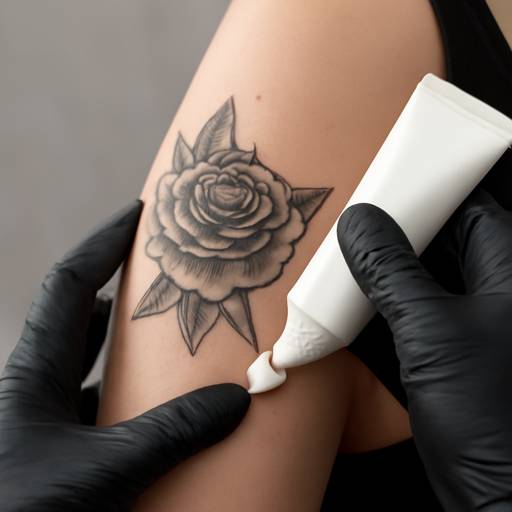
Panthenol, a form of vitamin B5, is a quiet powerhouse in a tattoo aftercare cream UK formula. It penetrates deeply, attracting and binding water to the tissue while reducing redness and itchiness. When combined with allantoin, a compound derived from comfrey root that stimulates cell proliferation, the pairing accelerates the closure of micro‑wounds and minimises scab thickness. Another ingredient to champion is bisabolol, the active soothing element in chamomile. It calms the neurogenic inflammation that makes fresh tattoos sting, a benefit not lost on those who sit for large back pieces or sensitive sternum designs. Meanwhile, a touch of jojoba oil mirrors human sebum so closely that it tricks the skin into self‑regulating oil production, keeping the area balanced without clogging.
While numbing products like TKTX ensure the needle feels manageable through hours of shading, the healing phase demands an equally thoughtful choice: a top‑tier Tattoo aftercare cream UK must be rich in natural emollients and completely free of irritants. Many UK enthusiasts now seek creams that carry a dermatologically tested or hypoallergenic stamp, as the rise of sensitive skin conditions in the British population makes reactive tattoos more common. Ingredients like cetearyl alcohol should appear only in their fatty, non‑drying forms, acting as gentle emulsifiers rather than harsh solvents. If the cream contains a humectant such as glycerin, it should be paired with an occlusive ingredient to lock it in; otherwise, in dry indoor UK environments, the glycerin can draw moisture from deeper skin layers instead of the air, causing paradoxical dehydration. Finally, tattoo‑specific creams often include subtle anti‑microbial botanical extracts like rosemary or tea tree in minute, skin‑safe concentrations. These provide a low‑level guard against the bacterial load a new tattoo can encounter in gyms, public transport, and the workplace, without disrupting the healing microbiome.
Mastering Your Routine: Application, Frequency, and Avoiding the Biggest Aftercare Pitfalls
Even the most exquisite tattoo aftercare cream UK will fail if the surrounding habits are flawed. The journey starts the moment the artist removes the initial cling‑film wrap, typically two to four hours after the session. Wash your hands thoroughly with an unscented antibacterial soap before you touch the tattoo. Use lukewarm water – never hot – and a gentle, fragrance‑free cleanser to wash away the plasma, blood, and residual ink. Pat the skin dry with a clean paper towel; rubbing with a communal towel introduces fibres and bacteria. Only then do you introduce the tattoo aftercare cream. Squeeze a pea‑sized amount onto your fingertips, warm it between them, and tap it across the tattoo in a sheer, translucent veil. The aim is hydration without occlusion. If the skin looks wet or shiny after a minute, you have used too much. Wipe away the excess gently to avoid maceration.
Frequency is where many enthusiasts stumble. In the UK’s typically cool climate, applying a tattoo aftercare cream two to three times a day is enough for most people. Over‑applying, especially in central‑heated offices or during winter, can clog the healing tissue and create a breeding ground for spot‑like pustules that distort the ink. Conversely, if you work outdoors in summer – say, a construction site in Birmingham or a roadside role in Cornwall – you might need an extra midday application, provided you first clean the area with a hypoallergenic wipe. Never apply cream without cleansing, because dust and sweat trapped under a layer of balm will trigger inflammation. The cream is not a substitute for hygiene; it is a complement.
British leisure habits introduce further risks. Avoid swimming pools, hot tubs, and the sea for at least three weeks; chlorine and salt strip the skin fiercely. Gym sessions must be followed by an immediate shower and fresh application of tattoo aftercare cream, as sweat carries salts that can degrade the fragile scab. Tight clothing, especially synthetic sportswear, rubs the tattoo and pulls away forming crusts prematurely. Instead, wear loose, breathable cotton over the area. If you live in a hard‑water region, consider a final rinse with filtered or bottled water after cleansing, which reduces the alkaline residue. Sun exposure is the greatest long‑term enemy; a healed tattoo should always be shielded with SPF 50, but a fresh one should never see direct sunlight. In the UK, even a cloudy day can deliver enough UV to burn a raw tattoo and bleach the ink. Wait until the outer layer has fully sealed – usually two to three weeks – before venturing out without a physical cover.
Finally, watch for signs that your tattoo aftercare cream is not agreeing with your skin. If you notice spreading redness, a foul odour, or thick yellow discharge, these are markers of infection, not normal healing. Stop using the cream and consult a healthcare professional. On the flip side, if the tattoo feels tight, dry, and itchy despite regular application, your cream may lack sufficient barrier lipids; consider switching to a formulation richer in shea butter and ceramides. The ritual is a dialogue with your body, and the right cream speaks the language of gentle repair, not forceful masking.

Ibadan folklore archivist now broadcasting from Edinburgh castle shadow. Jabari juxtaposes West African epic narratives with VR storytelling, whisky cask science, and productivity tips from ancient griots. He hosts open-mic nights where myths meet math.